Categories
Cycling and Music, Cinema, Art Races Tour de France

Le Ride – Retracing the 1928 Tour de France

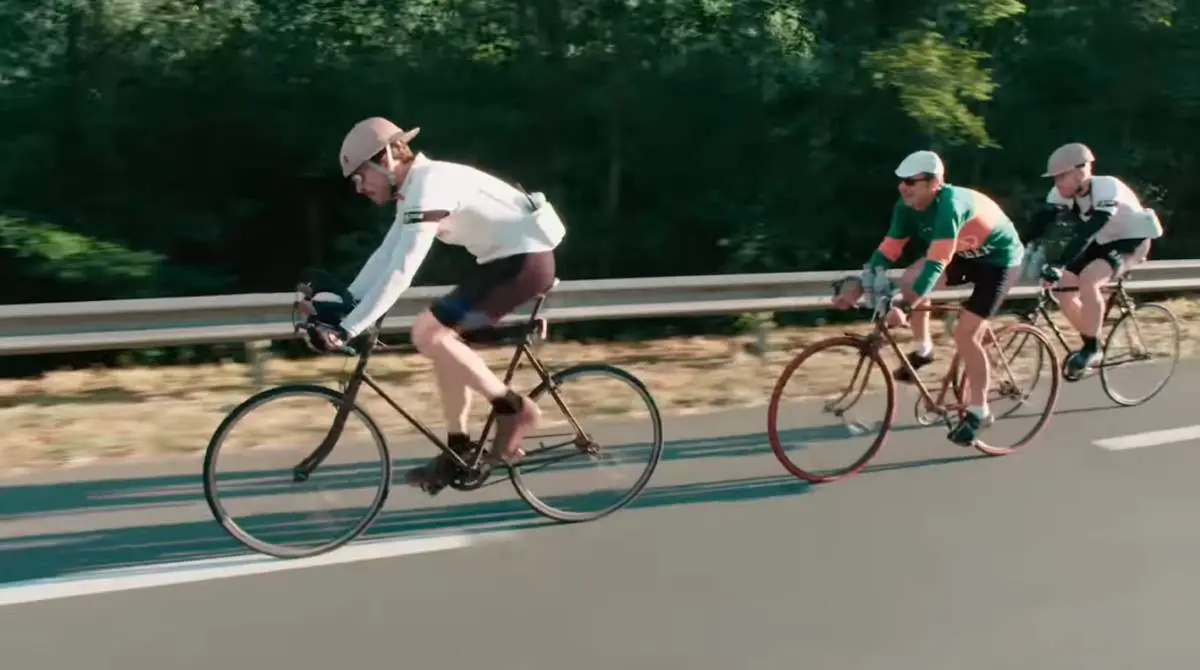
“Le Ride” is a cycling documentary, which follows two cyclists, Phil Keoghan (also the director of the film) and his friend Ben Cornell as they attempt to recreate the original route of the 1928 Tour de France. Averaging 240 km a day for 26 days, Phil and Ben traverse both the unforgiving mountains of the Pyrenees and the Alps, on original vintage steel racing bikes with no gears and marginal brakes.
Categories
History and Legends Classics Giro d'Italia Races Stage Races Tour de France UCI Worlds

Coppi e Bartali, Bartali e Coppi

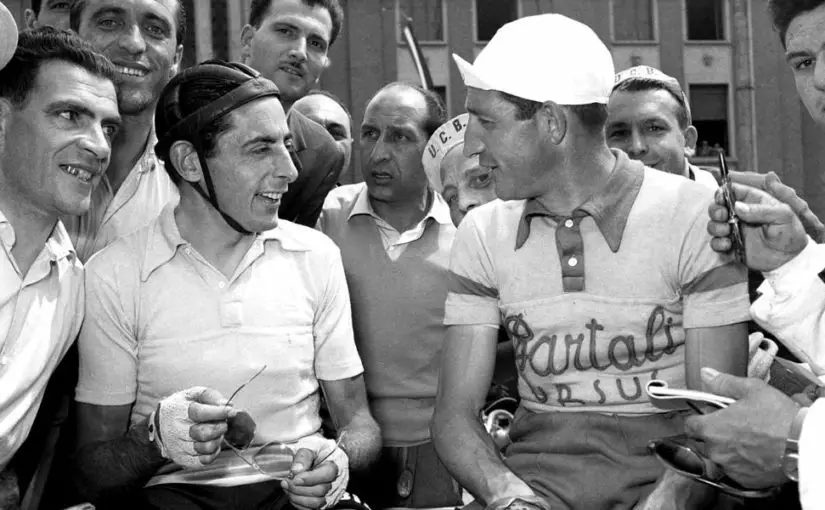
Fausto Coppi and Gino Bartali: two cycling legends of Italy. The rivalry between them is perhaps the most famous sporting duel in history. It has been started during World War II and continued afterward.

In December 2012, RCS Sport, the organizer of the Giro d’Italia, has put together 100 journalists to rate the greatest moments of the race’s 103-year history. The fifth question was “Which are the biggest sporting rivalries in the Giro d’Italia?”, and the obvious answer was: “The rivalry between Fausto Coppi and Gino Bartali.”

Categories
Tour de France Races

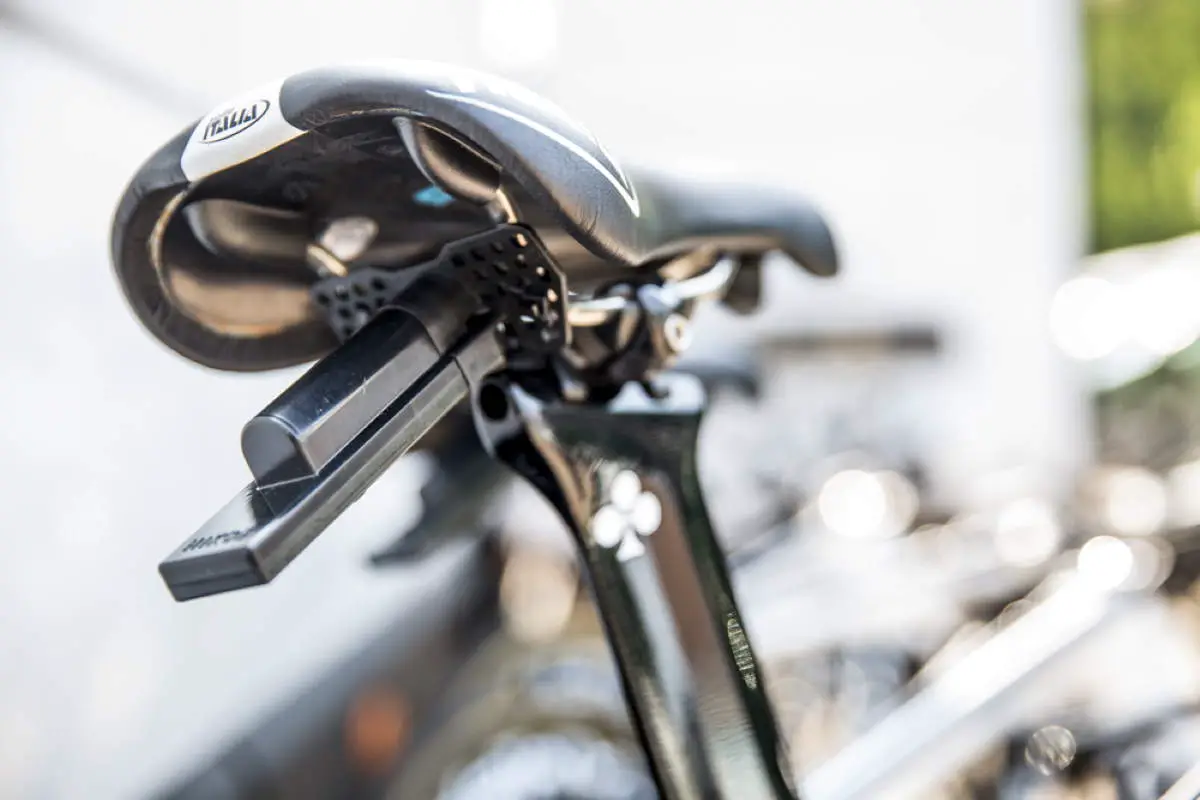
What is this weird black stick under the saddles at the Tour de France?

A lot of people are wondering what is the black stick below the riders’ saddles at the Tour de France. Well, it’s a real-time data transmitter. It is provided by Dimension Data, a South African company specializing in information technology services, and officially called the “Fox”.

Categories
History and Legends Tour de France

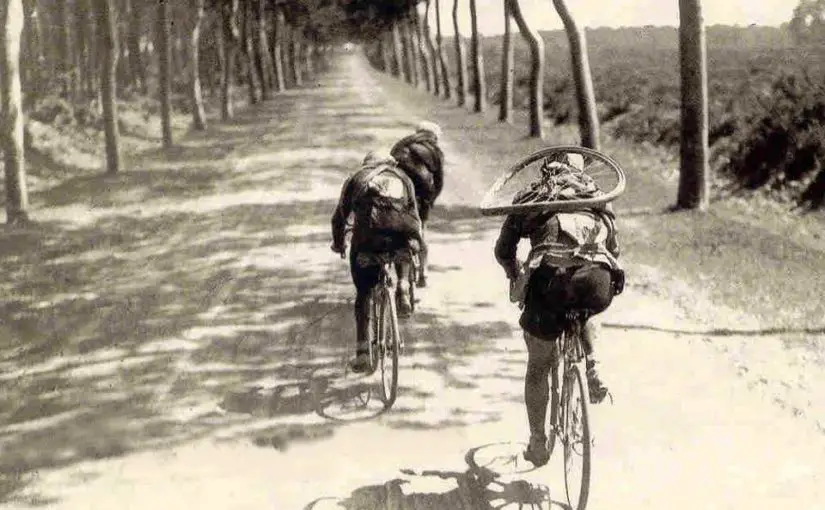
Léon Scieur carries his own wheel

Today’s historic photo of the day: during the penultimate (14th) stage of the 1921 Tour de France, Léon Scieur, the Belgian rider of La Sportive team carries his own wheel to the finish line. Scieur won the 1921 Tour de France when he was 33-year-old, along with stages 3 and 10.

The 15th edition of the Tour de France took place June 26 to July 24, 1921, with 138 starters. The total distance was 5484 km. The Belgians dominated the entire race, partly due to the absence of the French Pélissier brothers: the French cyclists Henri and Francis Pélissier had left the 1920 Tour de France after Henri received a penalty from the Tour organization for throwing away a tire, and they were still fighting. Therefore, the Pélissier brothers did not join the 1921 Tour de France.

Categories
History and Legends Races Tour de France

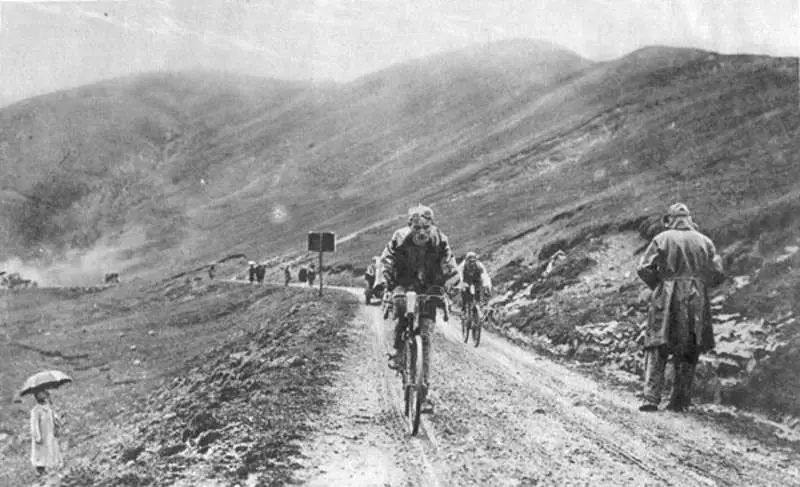
Bartolomeo Aimo at the 1925 Tour de France

Today’s historic photo of the day: Italian cyclist Bartolomeo Aimo (sometimes written Bartolomeo Aymo) leading a greatly reduced peloton over the Allos at stage 13 of the Tour de France 1925.

Stage 13 was a 275 km (171 mi) long trip from Nice to Briançon. It was a cold, rainy day in the Alps. The Italian sports fans who had flocked to the Tour to see their hero, Ottavio Bottecchia, had the pleasure of seeing their compatriot Bartolomeo Aimo be the first over both the Vars and the Izoard as he rode to win the stage.

Bottecchia was 10 minutes back but still leading the General Classification. Nicolas Frantz, who was in second place in the general classification at the beginning of the day lost over 13 minutes.

Categories
History and Legends Races Tour de France

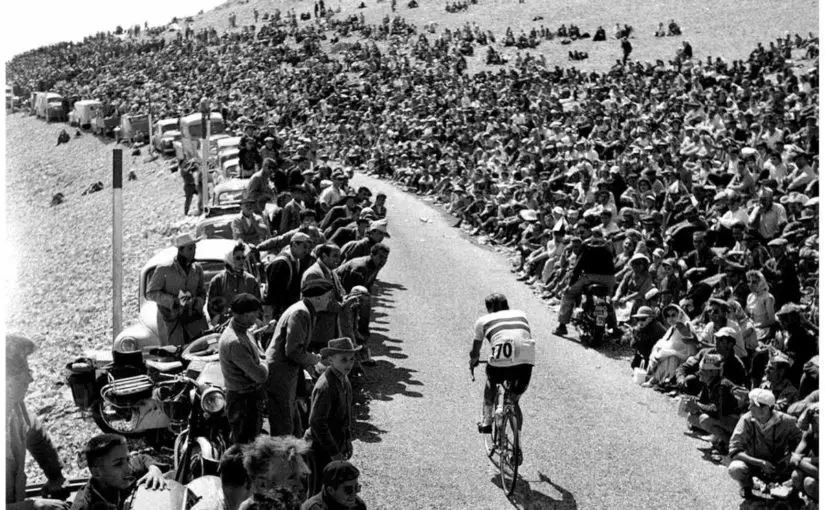
Charly Gaul on Mont Ventoux, Tour de France 1958

Today’s historic photo of the day: Charly Gaul on Mont Ventoux; Tour de France 1958, stage 18, July 13, Sunday, 21.5 km Individual Time Trial.

A 21.5-kilometer individual time trial from Bédouin – up Mount Ventoux. Charly Gaul, as usual, let himself lose some time on the flat stages, always confident that he could make the time up in the mountains.

Categories
History and Legends Races Tour de France

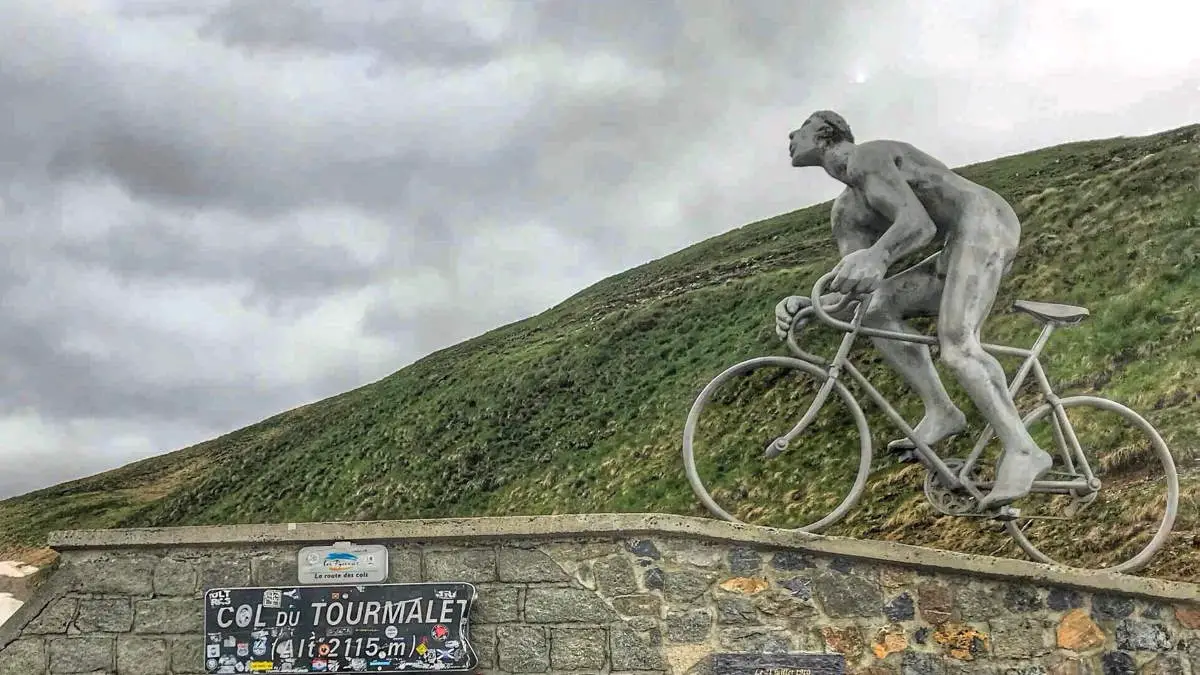
You are murderers! Yes, murderers! [The story of the Col du Tourmalet]

Today’s historic photo of the day: the first-ever stage ascent of Col du Tourmalet in Tour de France (1910), Octave Lapize of the Alcyon team walks over the summit and goes on to win the Tour. When he passed the organizer’s car atop the Tourmalet, he screamed “Vous êtes des assassins! Oui, des assassins!” (French for “You are murderers! Yes, murderers!”)

The courses of the Tour de France in 1907, 1908, and 1909 had been nearly identical. But in 1910, the Pyrenees were included, an initiative from Adolphe Steinès, who had drawn the course for the Tour de France since the first Tour in 1903.

Categories
History and Legends Races Tour de France

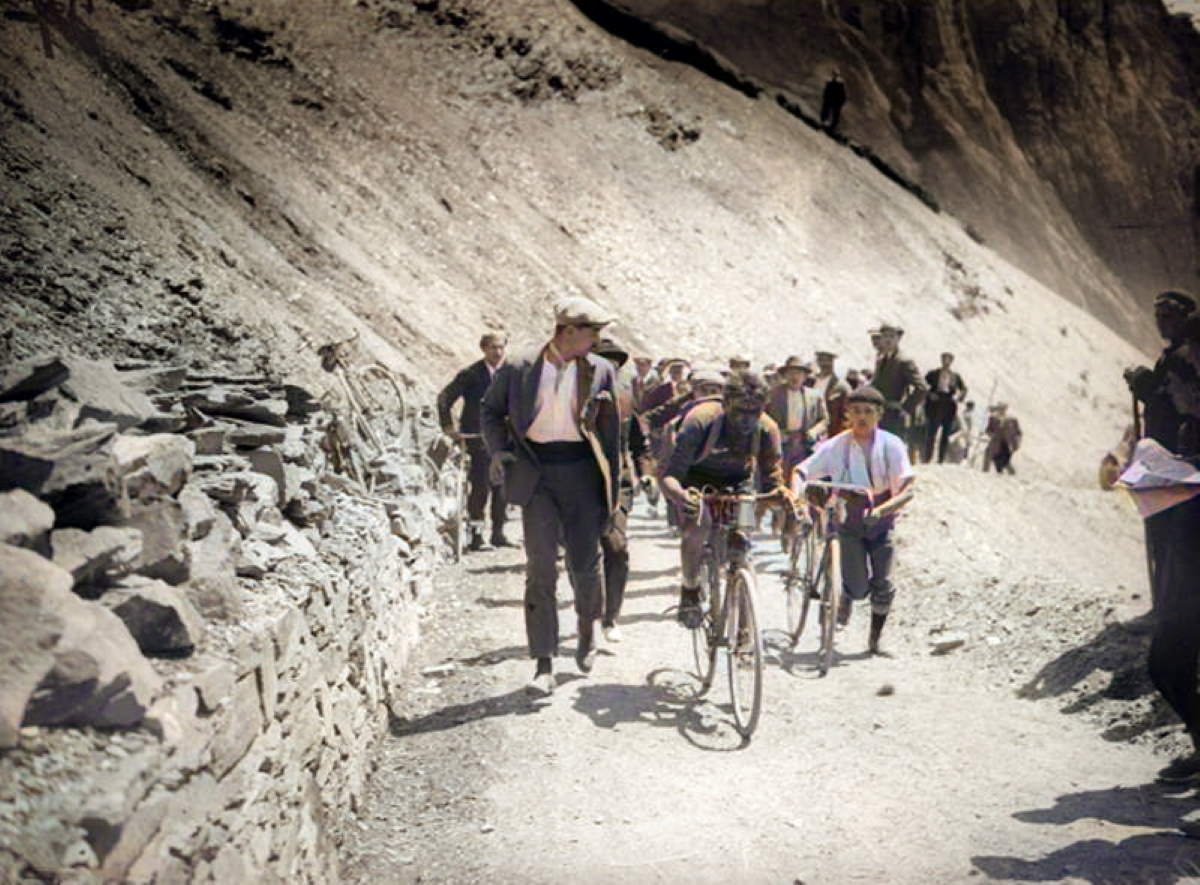
Ottavio Bottecchia climbing Col du Tourmalet, Tour de France 1924

Today’s historic photo of the day – the legendary Ottavio Bottecchia climbing Col du Tourmalet, stage 6 of the Tour de France 1924.

The previous Tour de France was won by Henri Pélissier. But the Frenchman was clear as to who the rising star was: He had said that the runner-up Ottavio Bottecchia would go on to win the race – “Bottecchia will succeed me.”

Categories
History and Legends Cyclists and Teams Races Tour de France

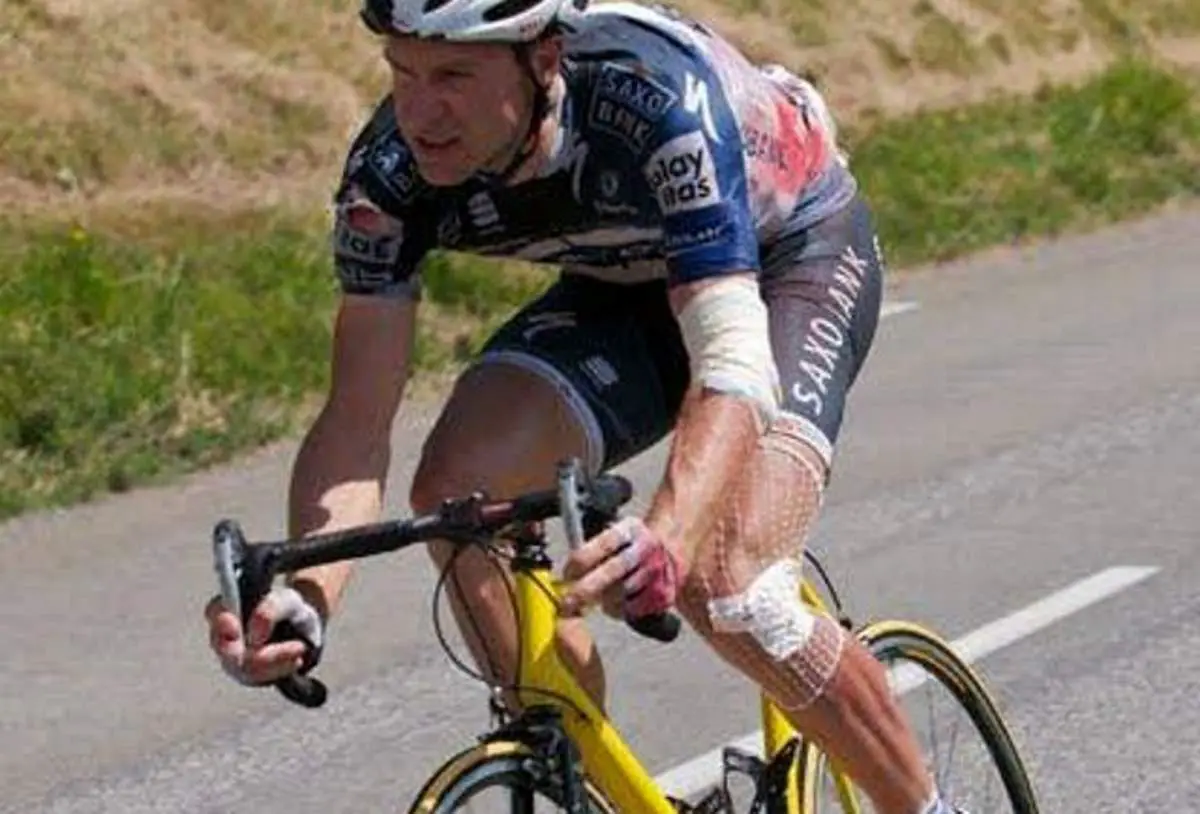
Jens Voigt borrows a child’s size bike after crashing his own, Tour de France 2010

Today’s historic photo of the day is about one of the most iconic figures of cycling history – Jens Voigt. When he was riding for Saxo Bank team, he participated in the Tour de France 2010 edition as a domestique to his leaders, the Schleck brothers.

After completing his domestique duties on the mountainous stage 16, he crashed heavily on the descent of the Col de Peyresourde, and his bike became destroyed. After getting back up, he realized that all the team cars had passed and that he would not be handed a new bike. Desperate, he borrowed a bike much too small for him, from a children group’s car which was following the race. He rode on it for about 15 kilometers (9.3 mi) before reaching a policeman who had another bicycle which had been left for him by his team.

Categories
Cyclists and Teams Races Tour de France

Quote of the day – From Cannondale’s Ted King

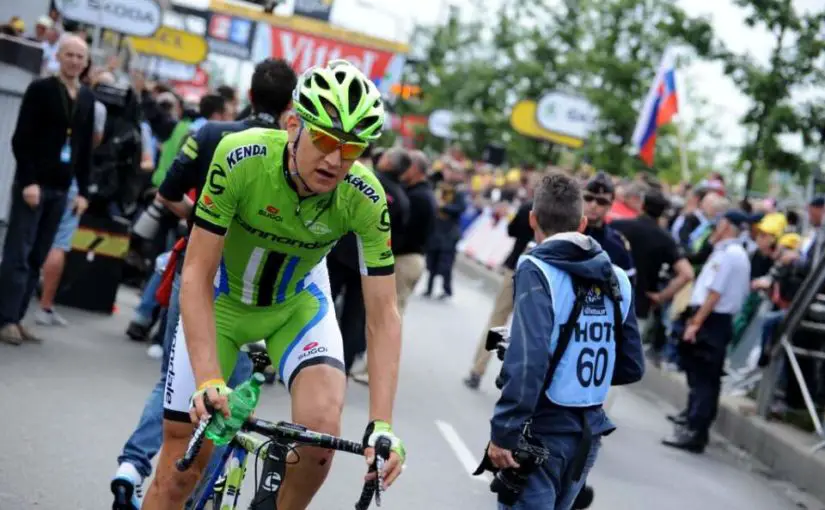
Cannondale’s Ted King published a new blog post on his personal website and wrote about his early exit from the Tour de France.

Ted King’s ride at the Tour de France ended abruptly on Monday as he was forced to abandon after a Stage 10 crash. He also did crash earlier in the race, once in Stage 3 and again in Stage 4, forcing him to race with tight bandages on both sides of his body. Furthermore, he fell ill on Monday, adding to his tough luck in a stage current yellow jersey holder Vincenzo Nibali called “the hardest stage I’ve ever done in a Grand Tour.”